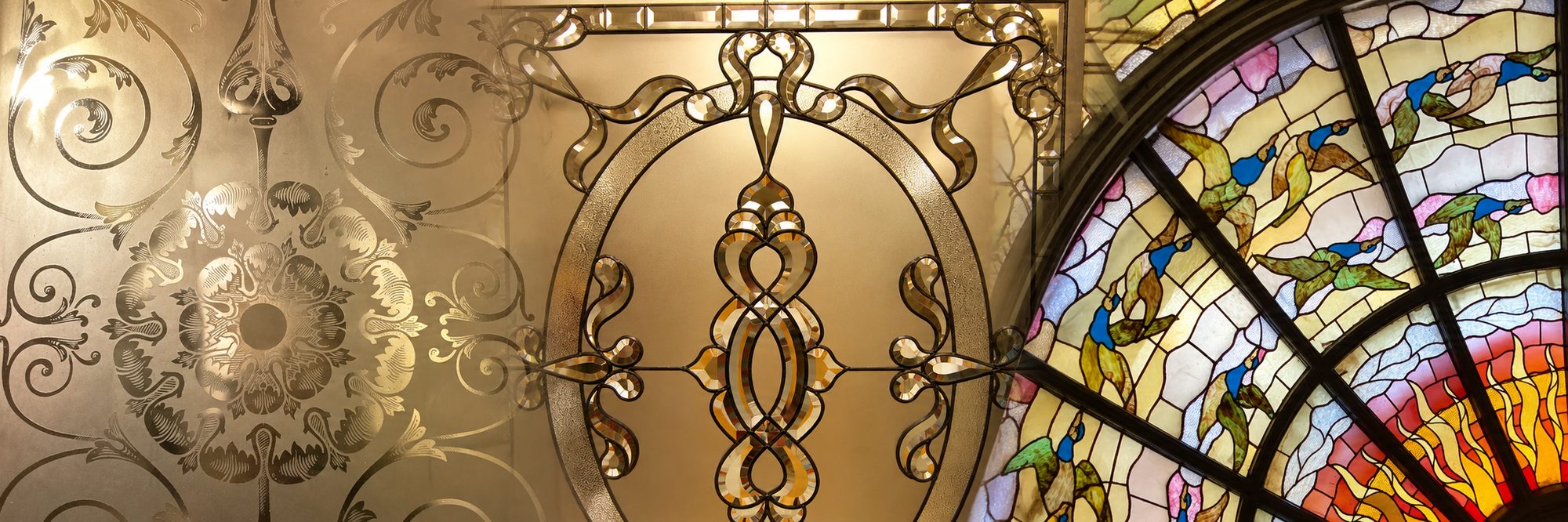

Stained glass has always been shaped by particular people, from the medieval glass painters whose names are mostly lost to the Victorian studios and the designers who changed how coloured glass was used in houses and public buildings. This section looks at some of those artists and designers, and at the buildings where their glass can still be seen.
It starts with Charles Rennie Mackintosh, whose leaded glass is among the most recognisable in Britain, with separate pages on his buildings: Hill House, the Willow Tea Rooms, House for an Art Lover and 78 Derngate.
- Edward Burne-Jones and William Morris: the Birmingham Cathedral windows and Morris & Co.
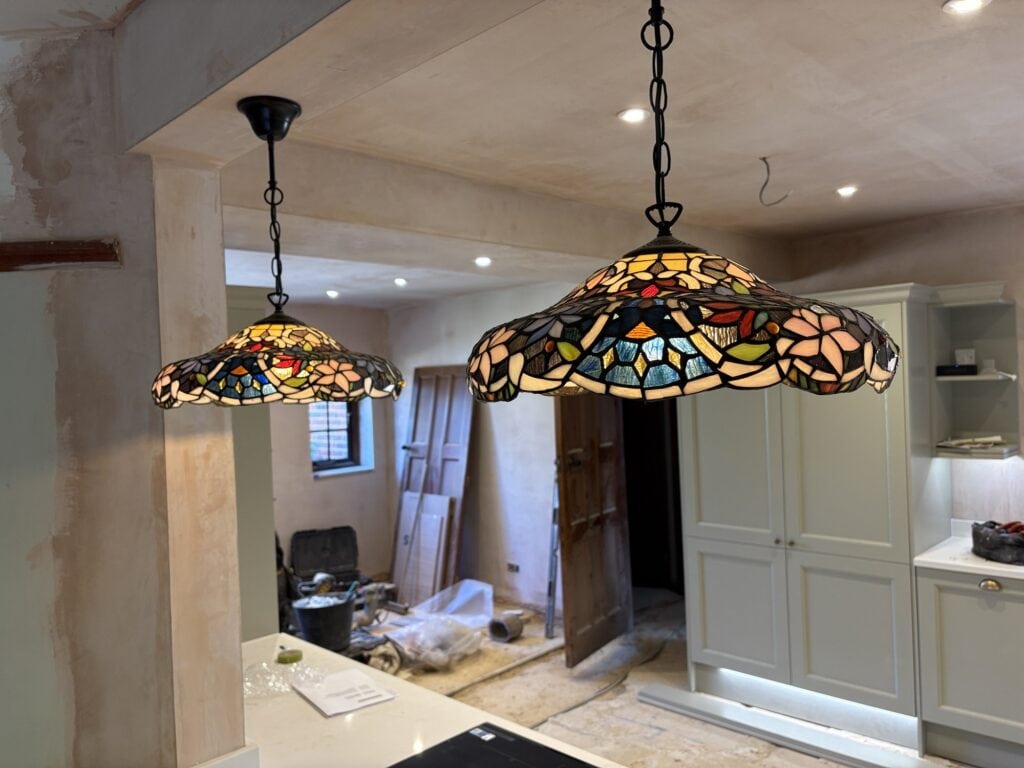
- John La Farge and Louis Comfort Tiffany: opalescent glass, Favrile and the lamps.
- Frank Lloyd Wright: the Prairie house light screens.
- Harry Clarke: Irish windows of fine detail and deep colour.
- John Piper and Patrick Reyntiens: Coventry, Eton, Oundle and Liverpool.
- Marc Chagall: the Tudeley windows and others.
More designers and makers are listed above. For the techniques behind the glass, see leaded lights and traditional stained glass.
New to the words used? See the glass glossary.
The famous British workshops and makers page profiles the main firms, and the stained glass tour of the UK shows where to see their work.
See also the stained glass tour of the UK and the story of the Glasgow School of Art.