
Stained glass is a patient craft. If you like making things by hand, enjoy small repeated steps and can live with a piece taking longer than you planned, you will probably enjoy it. This page explains what the work involves so you can decide before you spend any money.
What you actually do
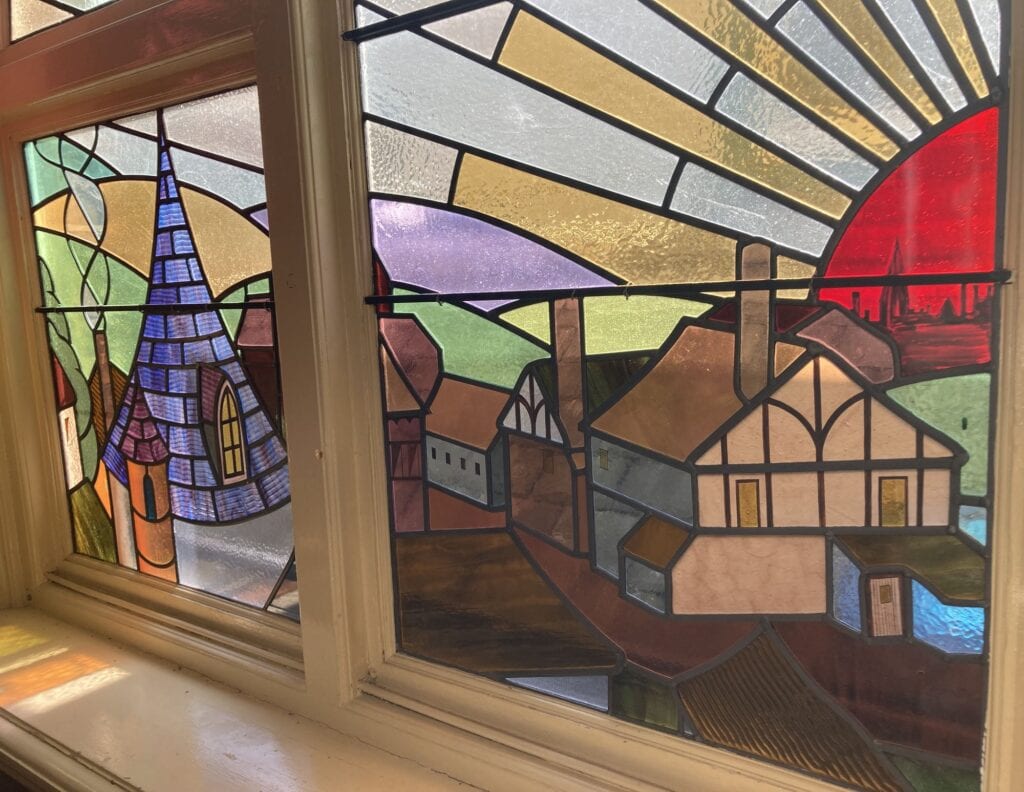
Most hobby stained glass is made in one of two ways. In the leaded method, pieces of glass are cut to a pattern and held together with strips of lead called came, which are soldered at the joints and then sealed with cement. In the copper foil method, each piece is wrapped round its edge in thin copper tape and the pieces are soldered together. Foil is the usual choice for small panels and for pieces with tight curves.
Either way the steps are the same: draw or choose a pattern, cut the glass, grind the edges, fit the pieces together, solder, clean and finish. Cutting and fitting take the most time.
How long it takes
A first small panel with a few dozen pieces is a day or a weekend for most beginners. A larger window, or one with lots of small curved pieces, can take weeks. Expect your early pieces to take longer than they would for someone with practice.
What it costs
Prices vary by supplier and change often, so treat these as rough guides. A basic starter kit of cutter, pliers, grinder or hand stone, soldering iron and solder is usually a few hundred pounds at most. Glass is sold by the sheet or by the square foot, and the price depends heavily on the type: plain coloured glass is cheaper than hand-made or textured glass. Starting with a small project keeps the cost of mistakes down.
Where you can do it
You need a steady table or bench with a surface you do not mind scratching, good light, and fresh air when you solder. Many people work at a kitchen or garage table. The safety guide covers what to keep separate from food and living space.
Is it for you?
- It suits people who are patient, careful and happy to repeat a step until it is right.
- You do not need to be able to draw. There are many ready-made patterns, and you can trace one.
- It is not the right craft if you want fast results or dislike detailed handwork.
A good way to find out
A one-day beginner course is the cheapest way to find out whether you enjoy it, and you get to use proper tools before buying your own. After that, read about the tools you will need and the mistakes most beginners make.