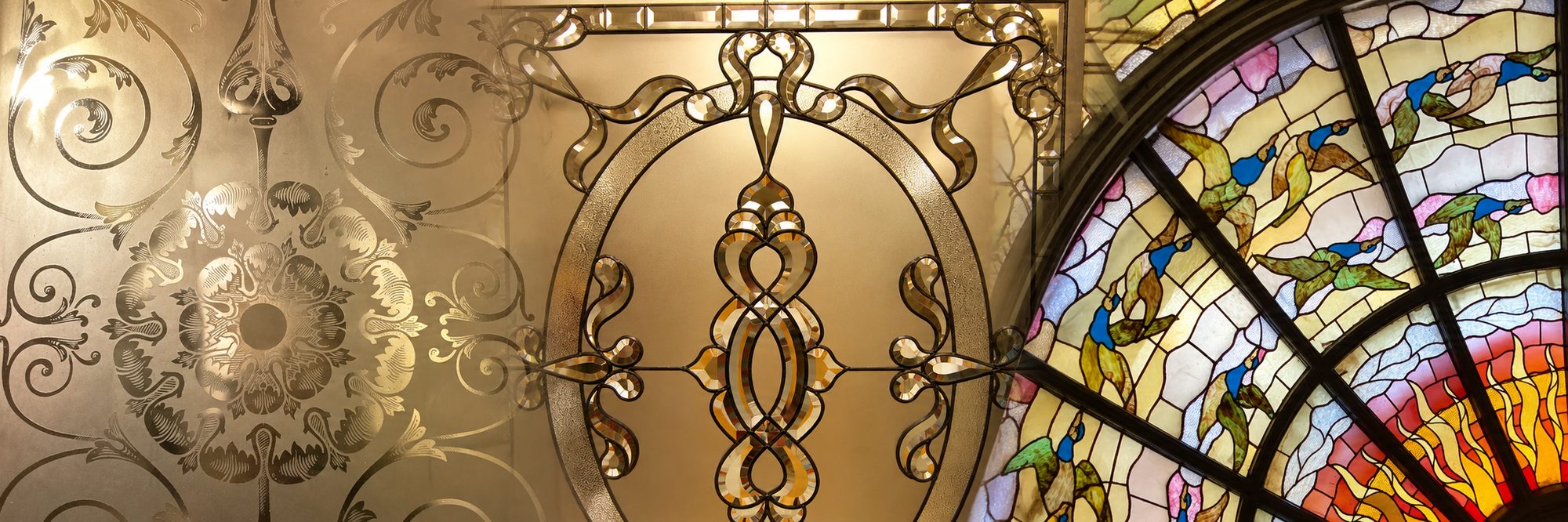

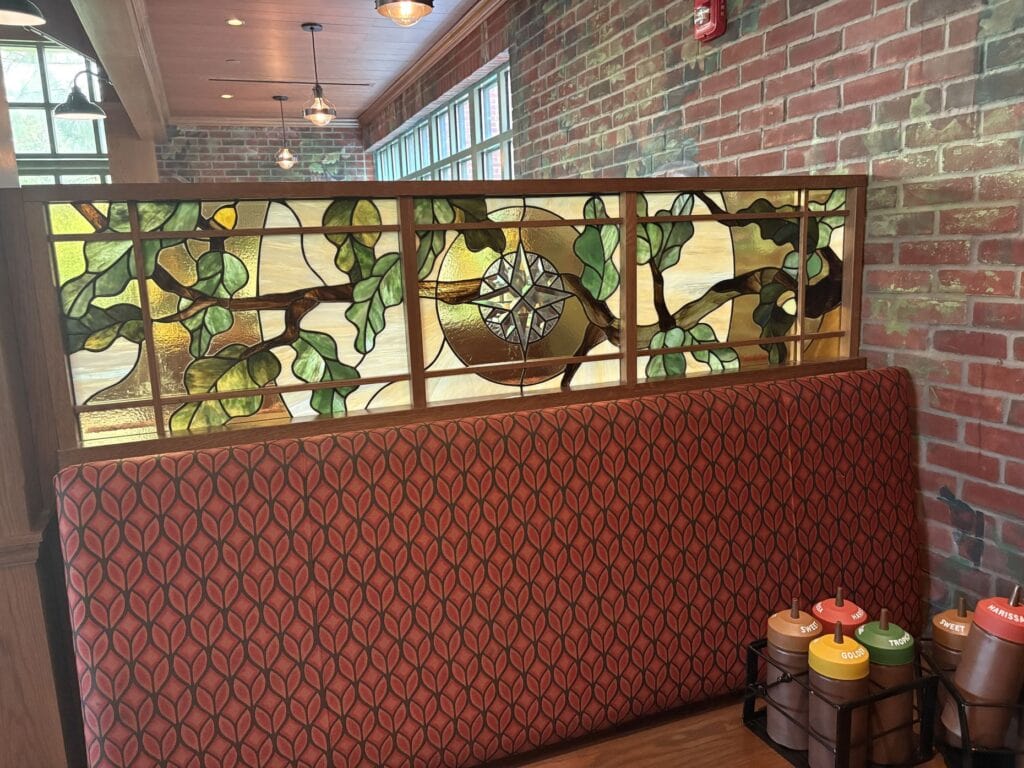
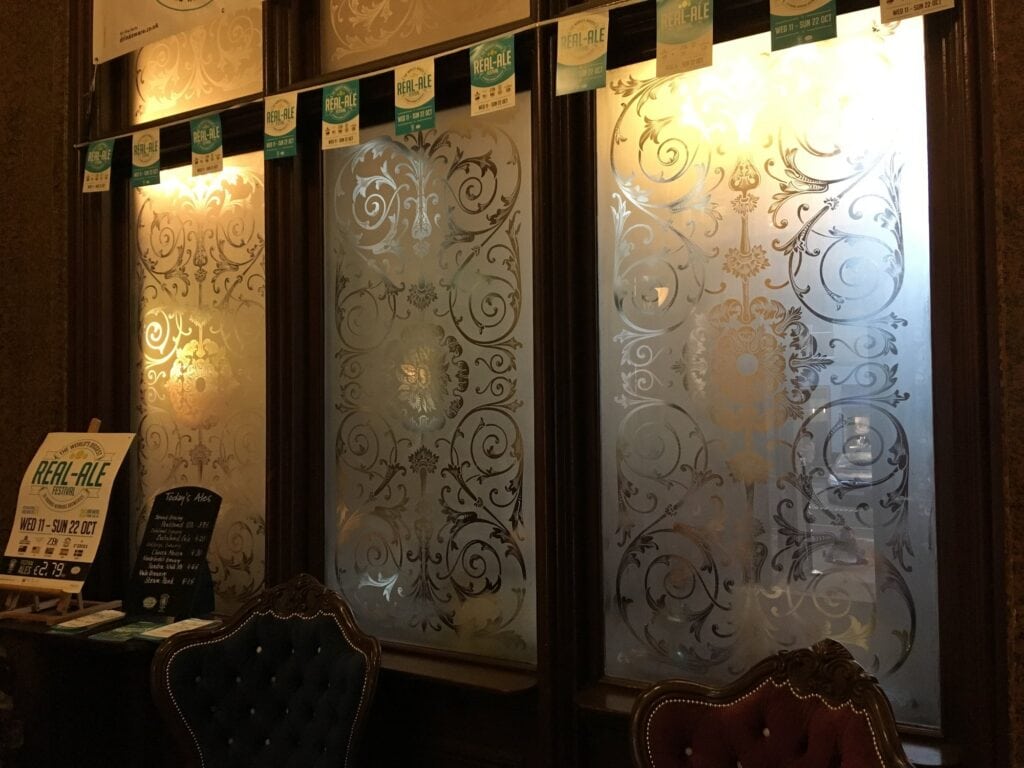
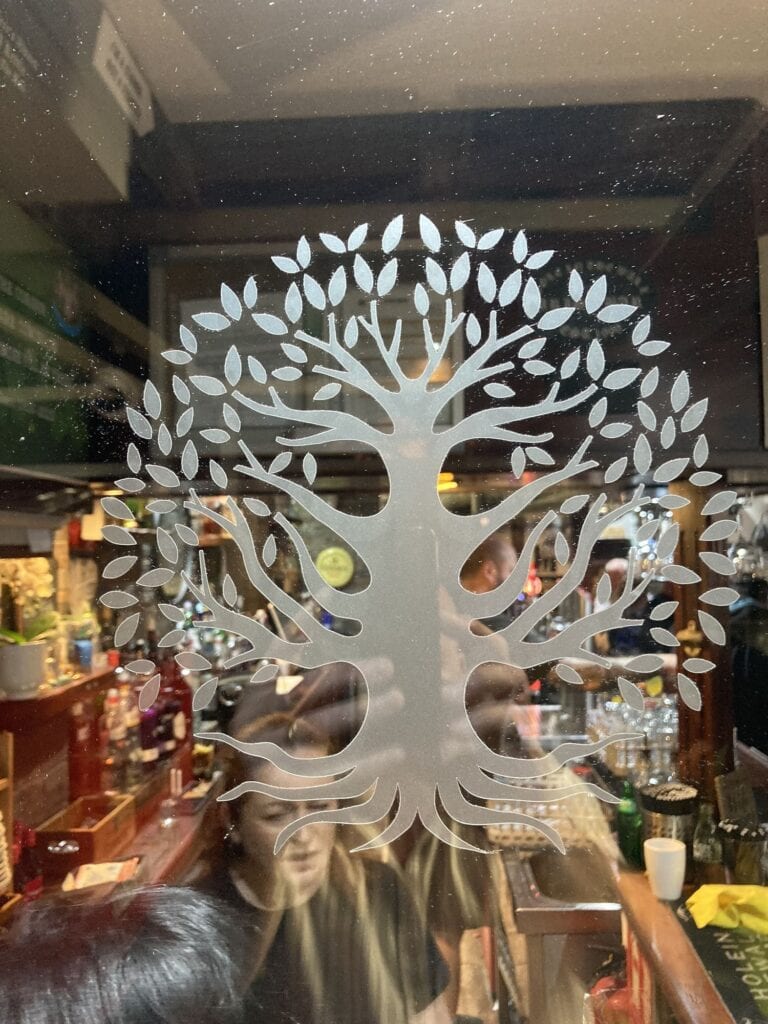
Decorative glass has long been part of commercial buildings. Victorian pubs used etched, brilliant cut and stained glass in windows and screens to give privacy, to light the room and to create an inviting atmosphere. Today shops, restaurants, hotels, offices and surgeries use it in much the same way, for the same reasons. Looking at these examples is a good way to discover what suits a building before a scheme is commissioned.
Where it is used
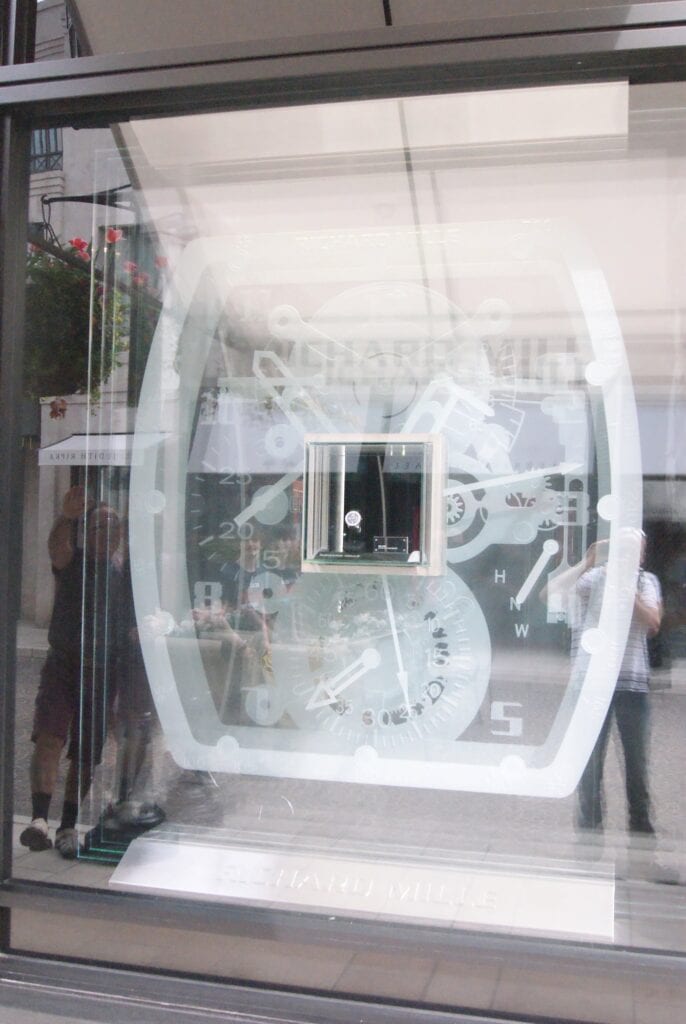
- Windows and doors. Etched or leaded panels give diners and customers privacy while keeping the entrance bright.
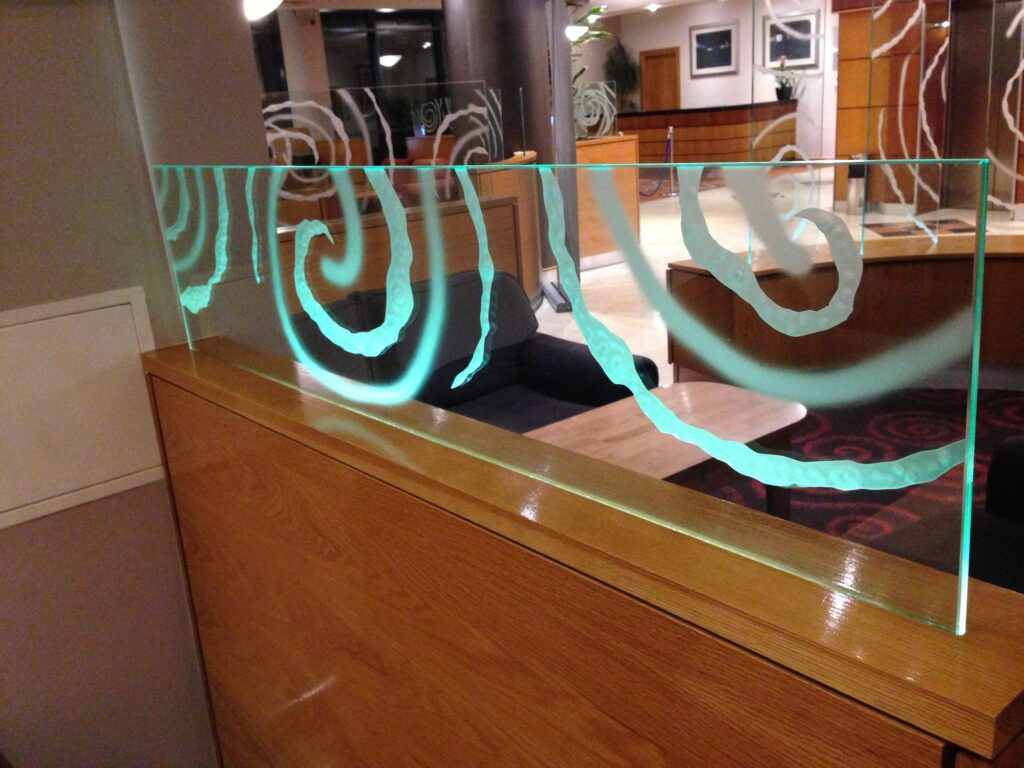
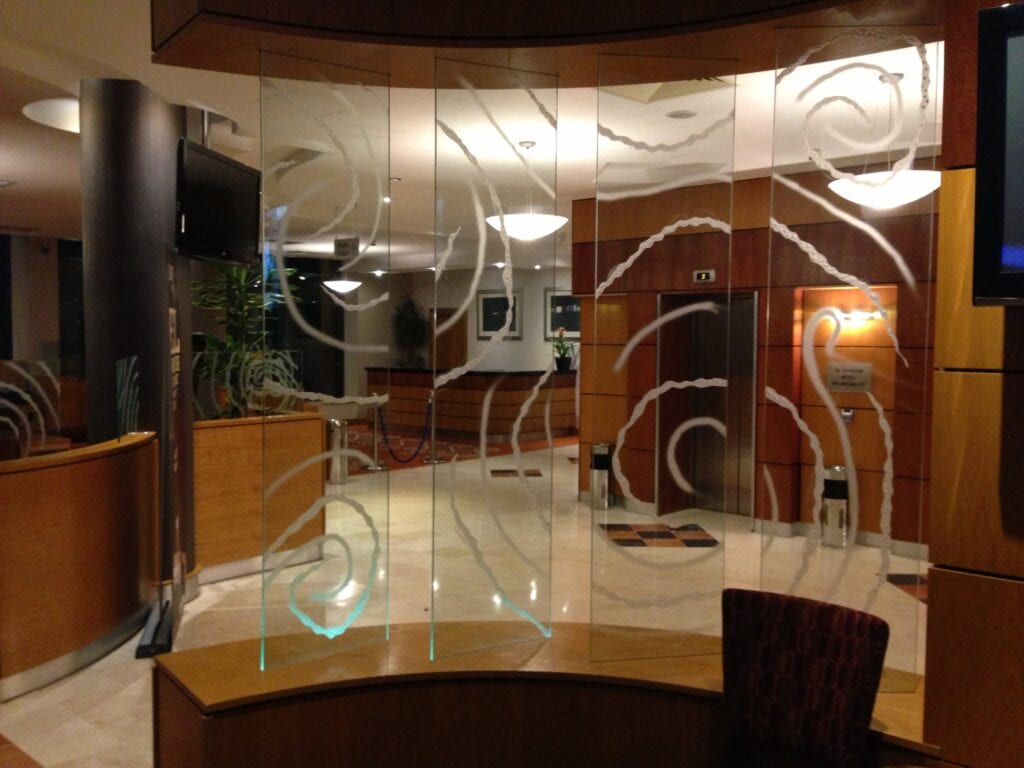
- Screens and partitions. Decorative glass divides a room without closing it off, and carries light from one area to another.
- Signs and branding. Etched and sandblasted glass is widely used for names, logos and patterns.
- Reception and waiting areas. A feature panel or glazed screen can set the tone.
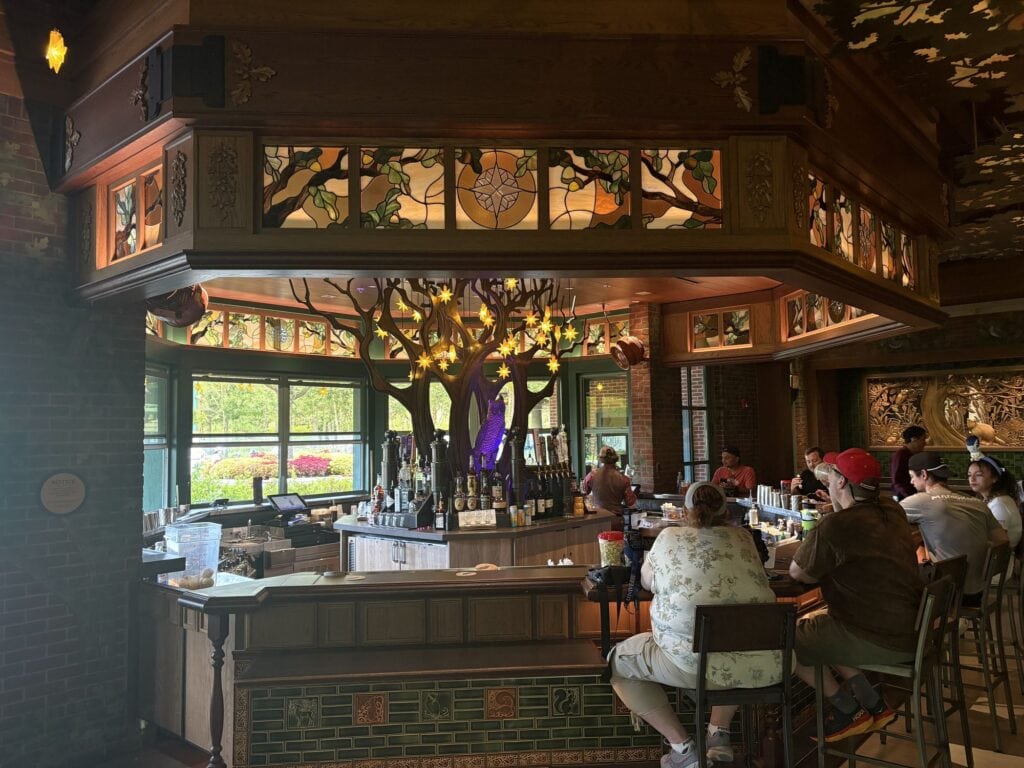
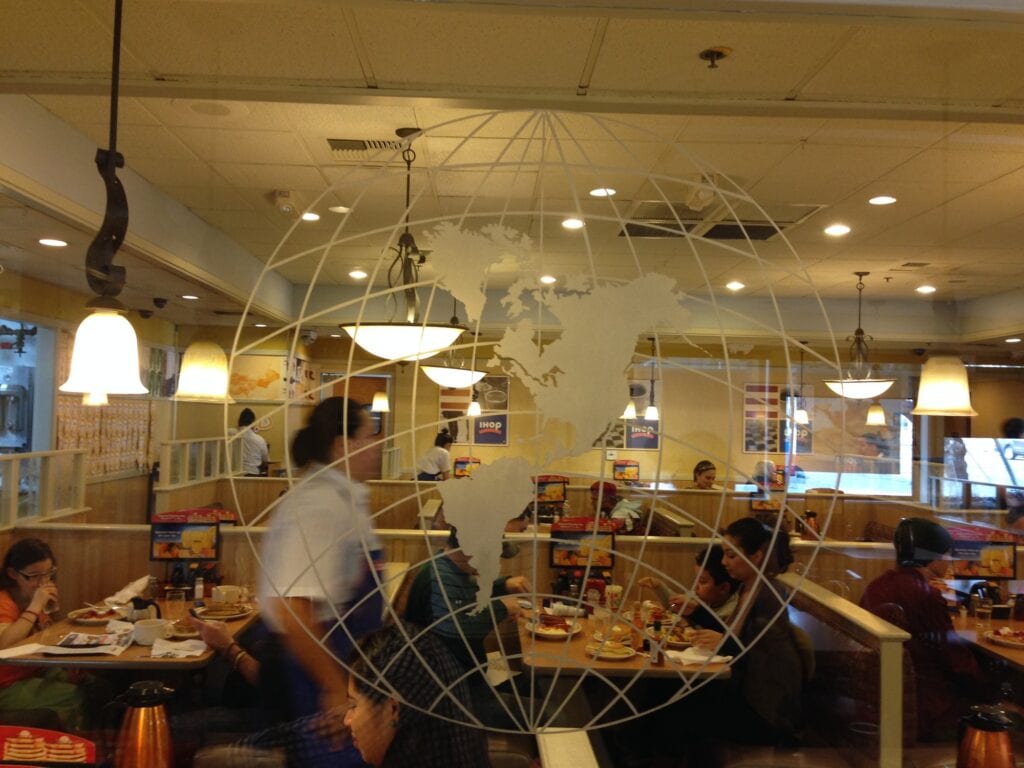
- Bars and restaurants. Brilliant cut, etched and stained glass continue the Victorian pub tradition.
What to consider
- Safety and regulations. Safety glass and fire-rated glazing may be required for doors, screens and some partitions. Check with the supplier and building control.
- Wear and cleaning. Busy premises need glass that is easy to clean and stands up to knocks.
- Privacy. Decide how much of the room should be visible from the street.
- Listed buildings. Original glass in older pubs and shops may be protected, so seek advice before changing it.
Historic examples
Victorian pubs are among the best places to see decorative glass in everyday use. Beyond pubs, the Willow Tearooms in Glasgow show how leaded glass can run through a whole commercial interior. See the page Willow Tea Rooms, Glasgow.
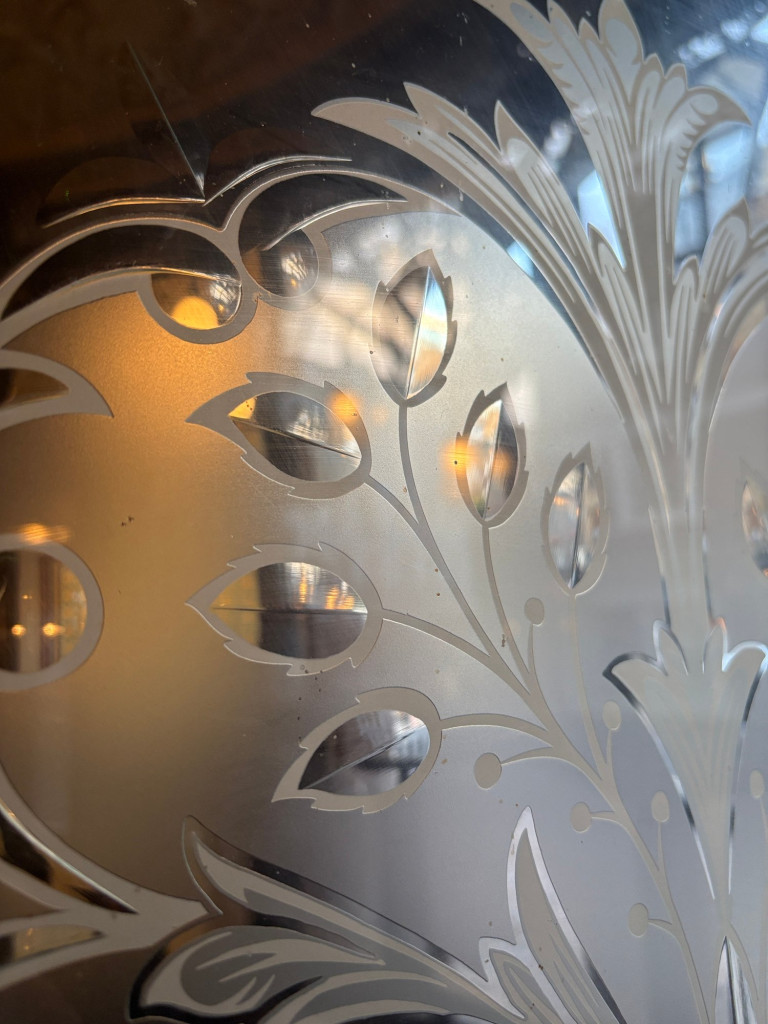
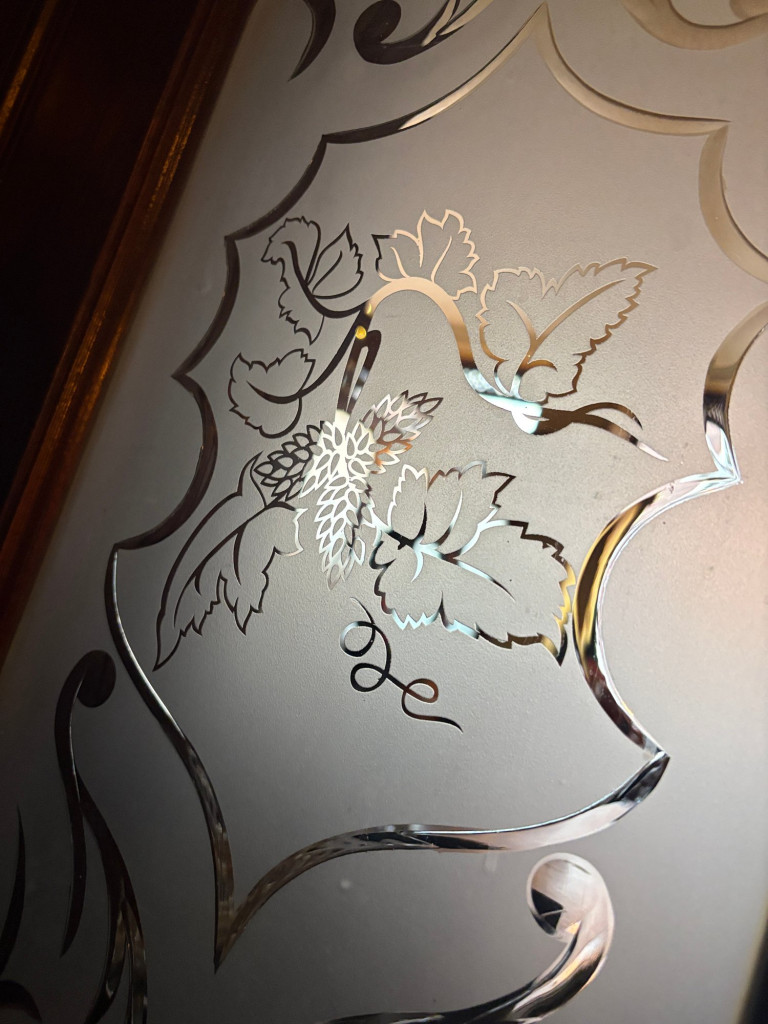
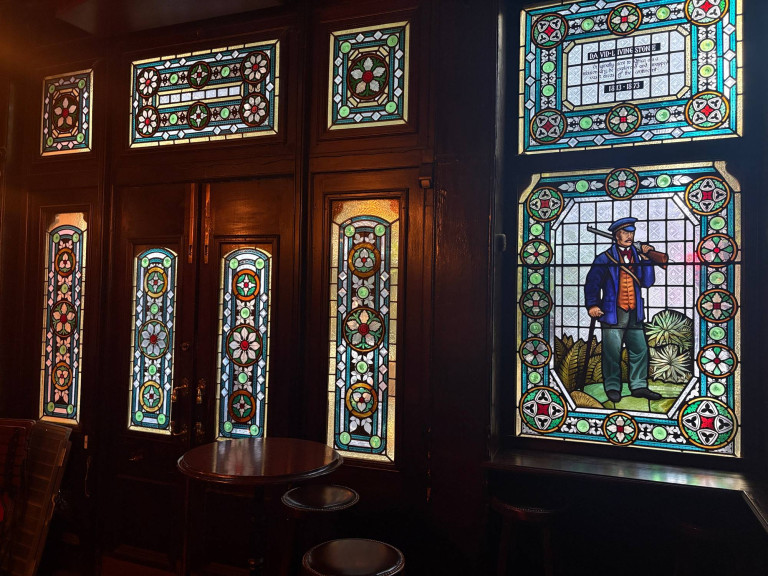
Several London pubs with notable glass are covered in detail in the Pubs and Bars collection, each visited and photographed for this site.
Related pages
- Brilliant cut glass
- Acid etched glass
- Sandblasted glass
- Leaded lights
- Glass for a front door
- The Crown Liquor Saloon, Belfast
- The Philharmonic Dining Rooms, Liverpool
- Café Royal, Edinburgh
- Stained glass tour of the UK
Published 20 October 2026 · Last updated