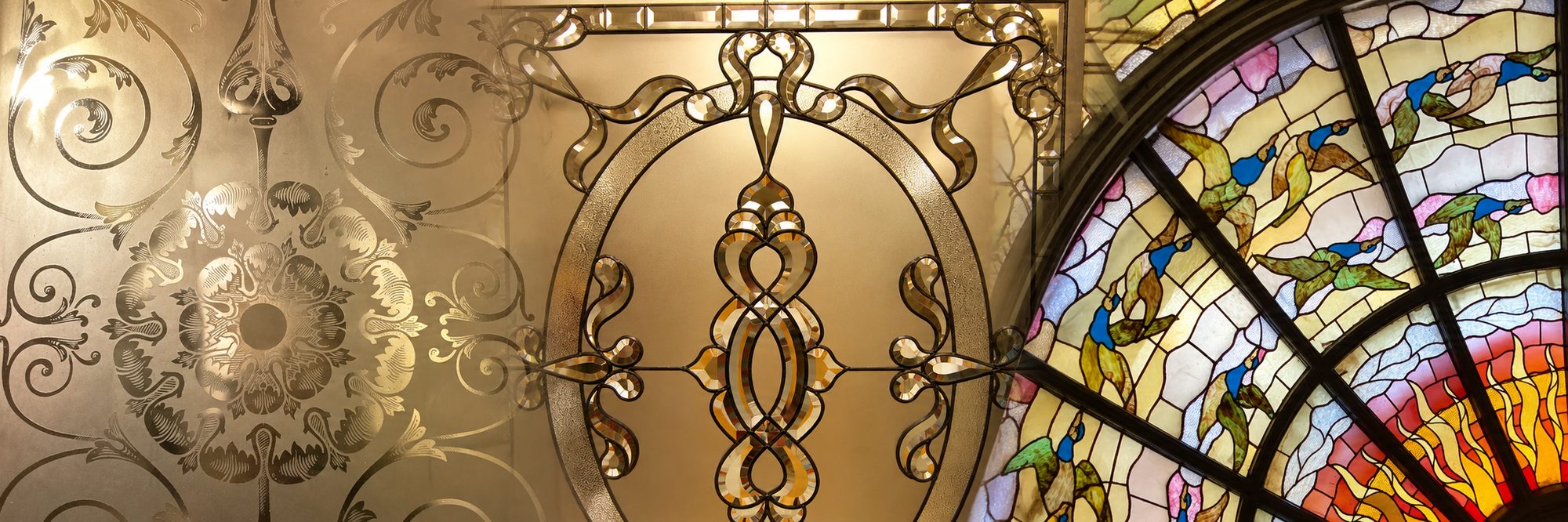

Alf Webster: Glasgow’s Stained Glass Artist of 1910 to 1915
Masters of Glass · No. 003
Glasgow artist who led Stephen Adam's studio from 1910 and filled Scottish churches with richly coloured glass before his death in 1915.
Lived: 1883 to 1915Place: Pollokshields, GlasgowCountry: ScotlandDiscipline: Stained and painted glassPeriod: Art Nouveau and Arts and Crafts, 1880 to 1920
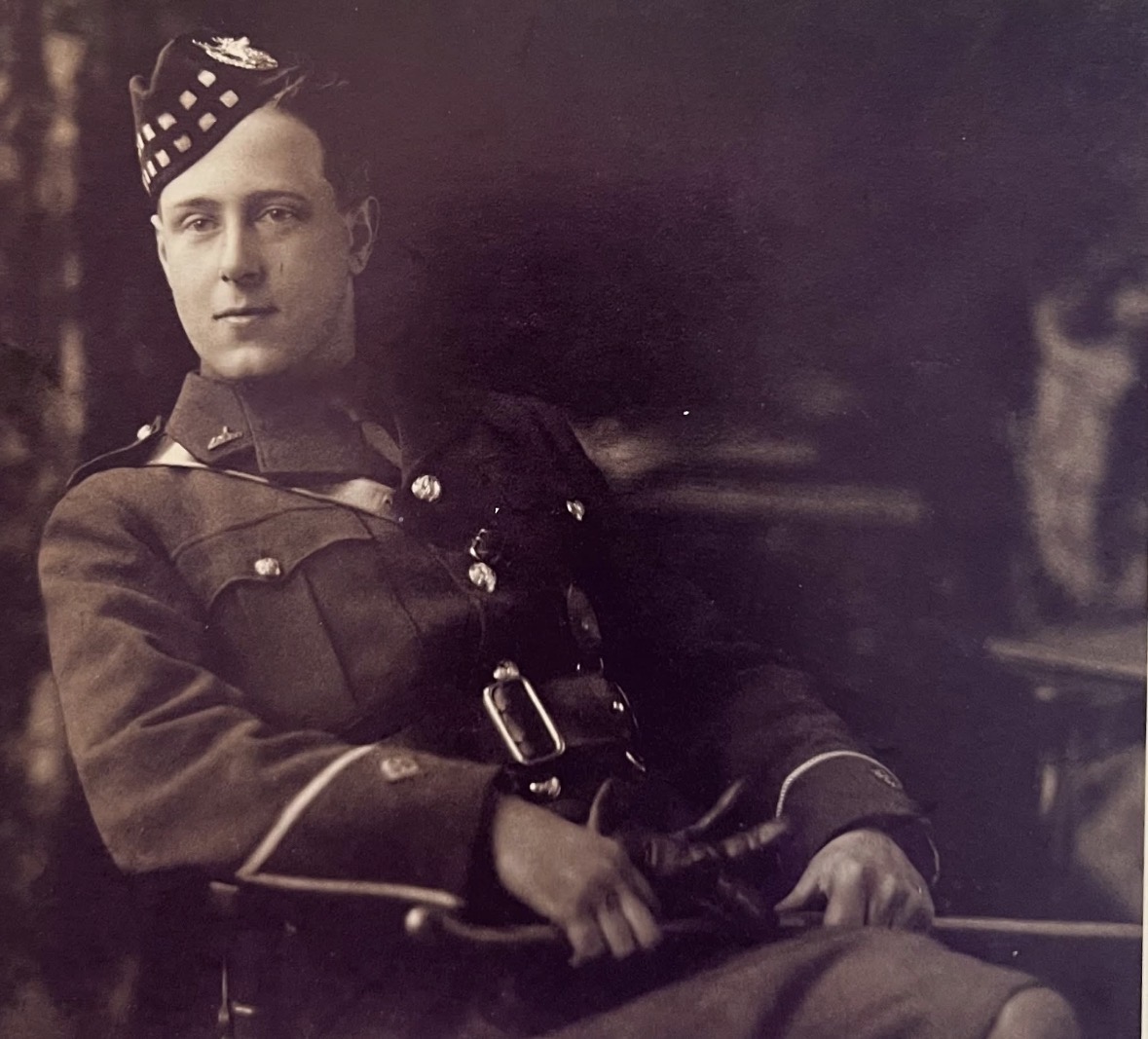
Alf Webster (1883 to 1915) was a Glasgow stained glass artist who produced more than twenty windows for churches across Scotland in a career that lasted barely a decade. He took over one of the city’s leading studios in his twenties and was killed in the First World War at the age of 31. His work has been little known outside Scotland, but it is now at the centre of a museum of stained glass being developed in a Glasgow church that holds two of his windows.
At a glance
- Dates: born 19 December 1883 in Pollokshields, Glasgow; died 24 August 1915 at Etaples, France.
- Country: Scotland.
- Discipline: traditional stained glass for churches and memorials.
- Studio: the Glasgow studio of Stephen Adam, which he led from 1910.
- Known for: richly coloured, textured church windows, including the Templeton and McCowan windows at Lansdowne Church, Glasgow.
A late start in glass
Webster was educated at Albert Road Academy in Glasgow. His father, George Webster, was a shipbroker, and on leaving school Alf joined the family firm as a clerk, a career that gave little sign of what was to follow. He married in 1902, and it was only after his marriage that he changed direction. From 1903 he attended evening classes at the Glasgow School of Art, where his studies took in architecture, modelling, drawing, painting and stained glass, and in 1904 he joined the stained glass studio of Stephen Adam. He became a partner in 1909. When Adam died in 1910, Webster took charge of the studio at the age of 26.
The windows
Between 1910 and 1914 Webster designed windows for parish churches in Glasgow, Edinburgh, the Borders, Ayrshire, Perthshire and Dumfries and Galloway. Published lists record, among others:
- New Kilpatrick Church, Bearsden. A group of windows begun in 1910 with three memorial lights and continued with a Tree of Life window in 1911 and a window on the theme of prayer and praise in 1914.
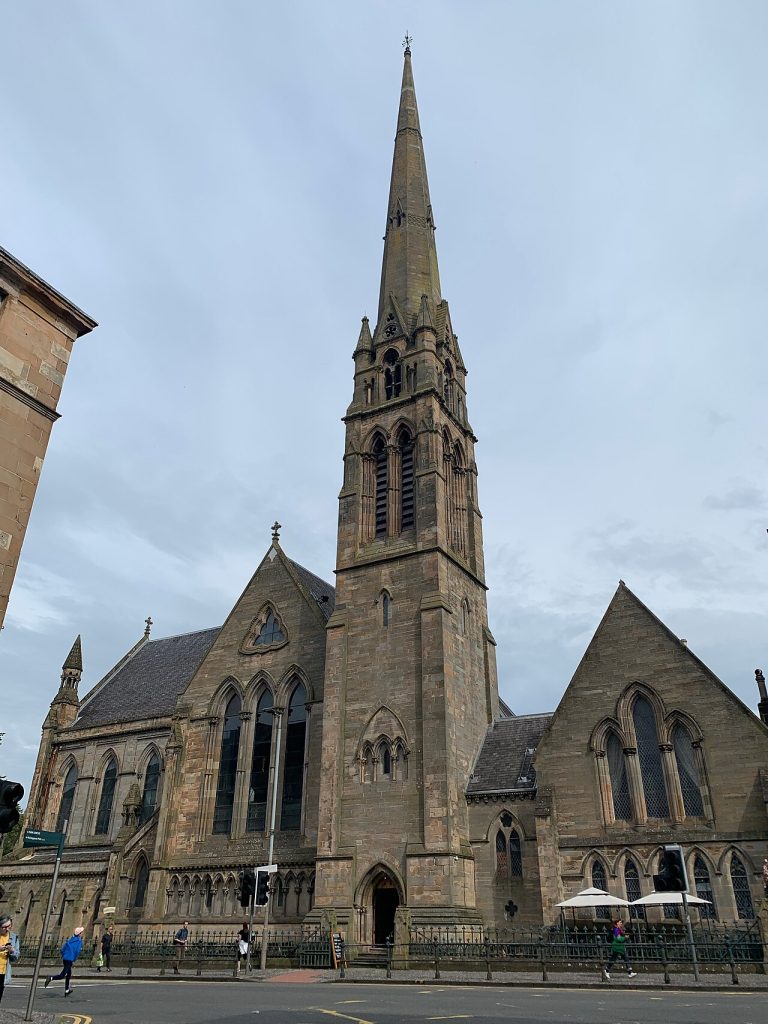
- Lansdowne Church, Glasgow. The Templeton window, showing the life of Christ in eight scenes, and the McCowan window, showing Holy Week, installed in about 1913 and 1914.
- St David’s Ramshorn Kirk, Glasgow (about 1911).
- St Andrew and St George, Edinburgh (about 1913).
- Cadder Parish Church, Bishopbriggs (about 1914).
- Westruther, Scottish Borders (about 1910); Lecropt Church, Bridge of Allan and Gartmore (about 1911); Shettleston Old Parish Church and Glendevon (about 1913); Dunlop, where a window of Adam and Christ was unveiled in 1910; and St Michael’s and South Church, Dumfries (about 1910).
The art historian Michael Donnelly compared the colour and quality of Webster’s glass with the work of Harry Clarke. For an introduction to how such windows are read, see reading a church window.
War and an early death
Webster enlisted in the Gordon Highlanders in February 1915, joining the 3rd (Reserve) Battalion, and was commissioned the following month. He went to the front with the 1st Battalion, was badly wounded by shellfire in the Ypres salient in the middle of August, and died in hospital at Etaples on 24 August 1915. He is buried in the military cemetery at Etaples. He left his wife, Maude, and their young children. Commissions that were in hand at the studio were completed by others, and Maude kept the business going under the name of the Stephen Adam Studio; in 1930 it passed to their son Gordon, who also worked in stained glass.
Rediscovery and the planned museum
Research for the Lansdowne Church project suggests that Webster’s output was larger than has usually been recognised, with further windows surviving across Scotland. A research project, Accessing Websters, is compiling a record of his known windows so that they can be located, studied and protected. The McCowan window was removed for safekeeping and is being conserved so that it can return to the church. The charity that cares for the building is developing part of it as the Alf Webster Museum of Stained Glass, with a raised platform planned so that visitors can see the glass at close quarters. The announcement is covered in the news article Glasgow Plans a Stained Glass Museum in a Former Church. The work of conserving a window of this age is described in stained glass conservation and restoration.
His place in Scottish stained glass
Webster worked in glass for little more than ten years, and only four of those as head of a studio. In that short time he took charge of one of Glasgow’s established practices and produced windows whose colour and glass were later compared with the best work of his time. Because most of his work remains in parish churches that are still in use, much of it can still be seen in the buildings for which it was designed, from the west of Glasgow to the Borders.
Sources and further reading
- Michael Donnelly, Glasgow Stained Glass: A Preliminary Study (Glasgow Museums and Art Galleries, 1981).
- Michael Donnelly, Scotland’s Stained Glass: Making the Colours Sing (1997).
- Rona H. Moody, “200 Scottish stained glass artists”, The Journal of Stained Glass, vol. XXX, Scotland issue (2006).
- Gordon Urquhart, A Notable Ornament, Lansdowne Church: An Icon of Victorian Glasgow.
Image credits
Lead image: Lansdowne Church, Glasgow. Photograph by Tbatb, licensed CC BY-SA 4.0, via Wikimedia Commons.
Published 9 November 2026 · Last updated