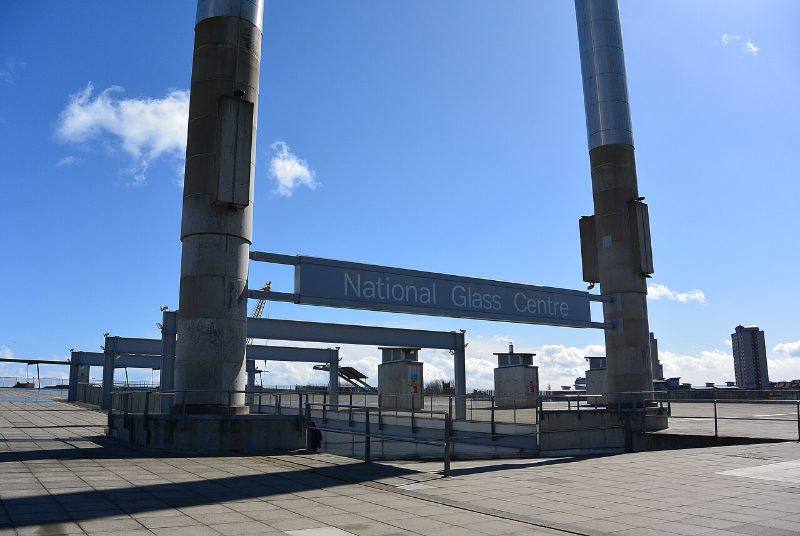
Glass can be studied to degree level at a small number of UK universities and art colleges. Most courses cover hot glass, kiln-formed glass and design, and only a few are built around stained glass and architectural glass. This page sets out where each is taught and how to tell which one fits. The long-running glass and ceramics courses at the University of Sunderland, based at the National Glass Centre, have closed; see Glass News.
Degree and postgraduate courses
| Institution | Course | Level | Where |
|---|---|---|---|
| University of York | MA Stained Glass Conservation and Heritage Management | Master’s, 2 years full-time | York |
| Swansea College of Art, University of Wales Trinity Saint David | BA (Hons) Design Crafts: Glass, Ceramics and Jewellery | Undergraduate, 3 years full-time | Swansea |
| Swansea College of Art, University of Wales Trinity Saint David | MA Glass: Contemporary Dialogues | Master’s, part-time over 3 years | Swansea |
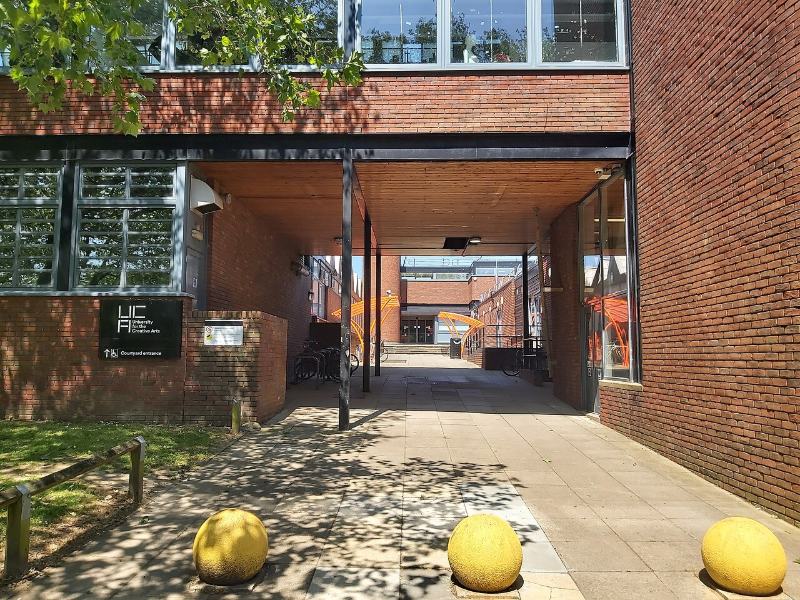
| University for the Creative Arts | BA (Hons) Ceramics and Glass | Undergraduate, 3 years full-time | Farnham, Surrey |
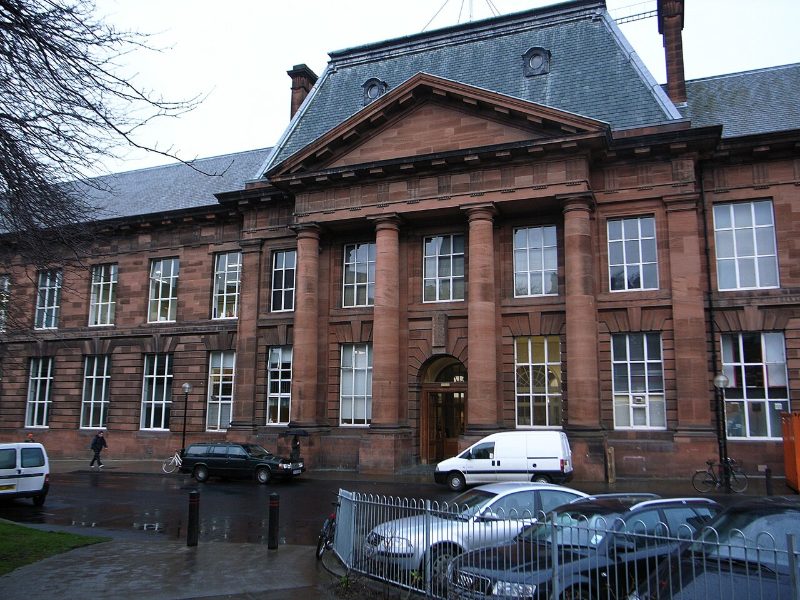
| Edinburgh College of Art, University of Edinburgh | MA Craft, with glass among its specialisms | Master’s | Edinburgh |
| Royal College of Art | MA Ceramics and Glass | Master’s, 2 years full-time | London |
Which course suits which interest
Stained glass and its conservation. The University of York’s two-year MA is the course built around stained glass conservation. It combines studio conservation work, glass technology and the history of the craft with heritage principles and a placement in a conservation workshop, museum or heritage body. For the wider field, see conservation and restoration.
Architectural and design-led glass. Swansea College of Art has a long record in architectural glass, and its degree combines traditional craft techniques with digital tools such as laser cutting, waterjet cutting and 3D printing. Its part-time MA suits people who want to study alongside other work.
Hot glass, kiln forming and studio craft. The courses at Farnham, Sunderland, Edinburgh and the Royal College of Art lean towards studio and contemporary glass. They are a good fit for making and exhibiting work, and the techniques carry across to decorative glass for buildings.
Before choosing a course
Glass is a niche subject, so it is worth checking exactly what a course teaches before applying. Ask whether leaded glass, glass painting or architectural glass is covered, how much of the course is workshop time, and what the graduates go on to do. Open days and degree shows are a good way to see the work and the workshops.
Short courses and workshops
For a first taste, or for learning one technique, short courses are offered by several colleges, museums and adult education services. The Stained Glass Museum in Ely runs courses in leaded lights, glass painting and fusing, and West Dean College in West Sussex runs courses in stained glass, copper foil and kiln forming. The British Society of Master Glass Painters keeps a regional list of training, linked below. A first look at whether stained glass suits you and the guide to working safely with glass are useful before a first class.
Related pages
Sources and further reading
- University of York: MA Stained Glass Conservation and Heritage Management
- University of Wales Trinity Saint David: Design Crafts, Glass, Ceramics and Jewellery
- University of Wales Trinity Saint David: MA Glass, Contemporary Dialogues
- UCAS: Ceramics and Glass, University for the Creative Arts
- Edinburgh College of Art: MA Craft
- British Society of Master Glass Painters: stained glass training
- Contemporary Glass Society: universities and colleges